

La vie parisienne - Jacques Offenbach - Marseille Opéra
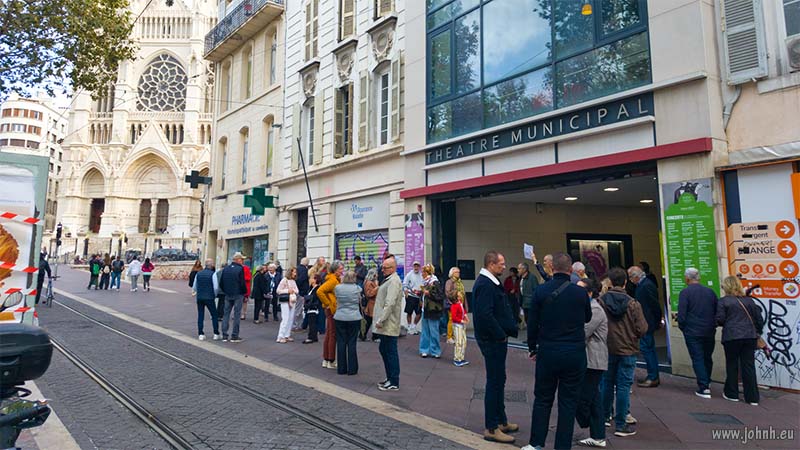
Théâtre de l’Odéon, La Canebière, Marseille
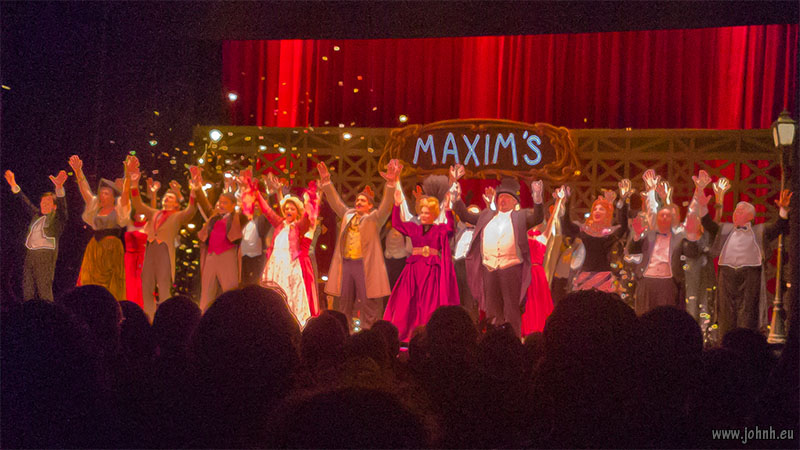
Marseille Opera’s new production of Jacques Offenbach’s 1866 creation that defined Parisian gaieté and showed the operetta world the stage boots and suspenders of the dancing chorus line.
A traditional staging, though not even a box set. But quite enough to support the opera bouffe. Basically various back flats, each with three doors, such as Feydeau made infamous, plus a few seats and sofas.
Singing in the operetta style with movement in the style of a modern musical, including dances by the soloists. But costumes, wigs and hats fantastic. Parodies of nineteen-century military uniforms. Frick the bootmaker singing in a grotesque latex face mask with comic red hair and beard!
Read more: La vie parisienne - Jacques Offenbach - Marseille Opéra
Marin MTB at Marseille beach
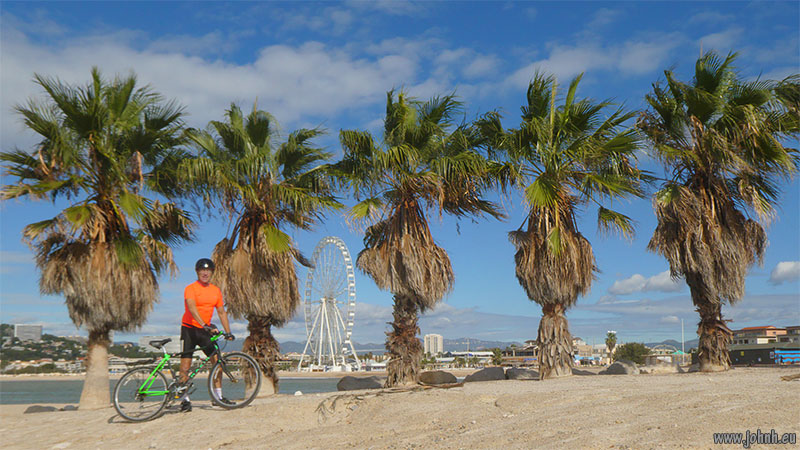
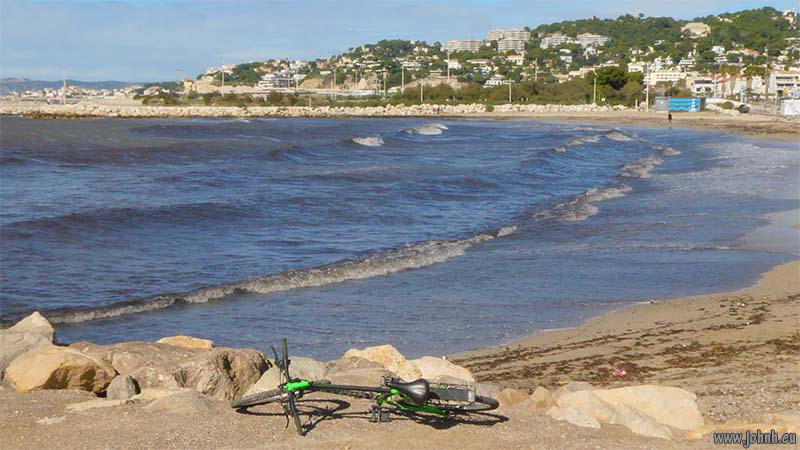
More than a bit of fun on the sand and gravel at Marseille Borély Beach Park on my classic Marin Palisades Lite mountain bike. Frisky wind and a mucky beach from Storm Adam recently. Then a clean, lubricate and attention to the gears back on my balcony. Good to ride the mountain bike anyhow, the hardtail is as an alternative to gym and when the weather is against motorbike riding - there’s a blustery, chilly wind inland.
Concentrated Corsica
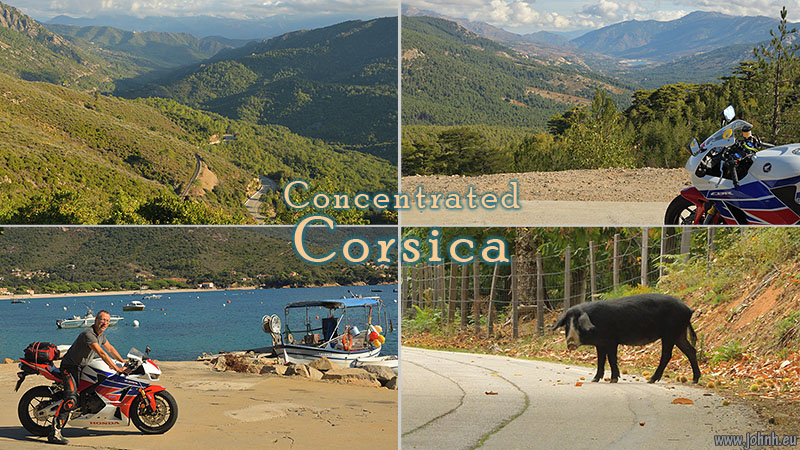
Fantastic day riding my CBR600RR out from Ajaccio, Corsica. A clear run just after dawn on the T20. Magnificent trunk route with sweeping curves up to the Col de Vizzavona (1163 m.) and down to the bastion town of Corte (440 m.).
Then a gorge, the granite sharp, not smoothed by glacial action. More interesting curves through forests of tall Corsican pines. Wild pigs grazing at the roadside. Finally the Col de Vergio (1477 m.), up in the thin clouds.
Ste-Baume (1041m.) and Ste-Victoire (1011 m.)
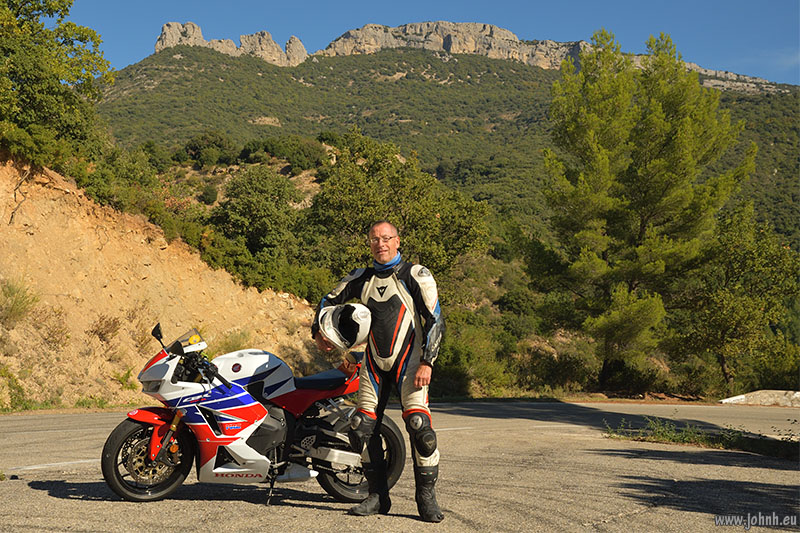
On the Col de l’Espigoulier (723 m.)
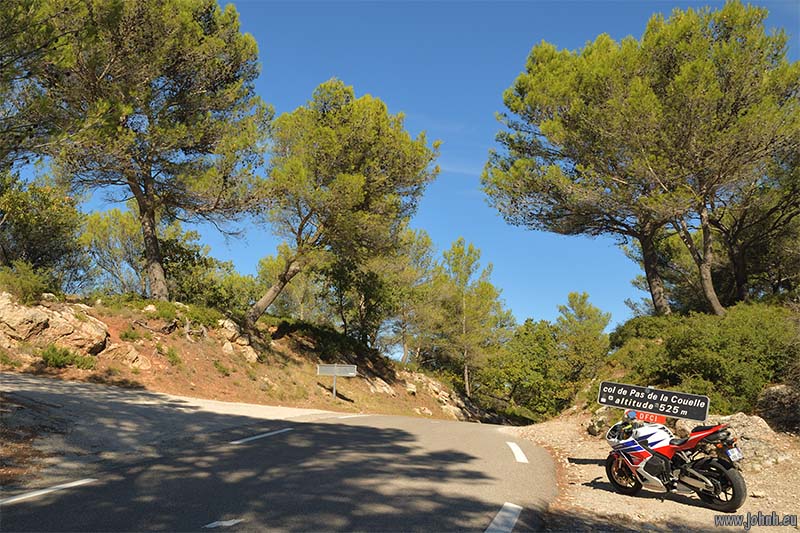
Col du Petit Galibier (531 m.)
Warming up on the Col de l’Espigoulier (723 m.) just outside Marseille, its twisty route winding up Mont Sainte-Baume has been my choice many times for a refresher workout when I’ve been a bit ring-rusty on the bike. First-gear bends galore!
Down the similarly challenging north side, then a stop for an old-style pain-aux-raisins and coffee at an artisan boulangerie. Next hill, Col du Pas de la Couelle (531 m.) is known as the Petit Galibier for its steep zigzags through the forest of black pine trees on the Montagne du Regagnas (715 m.).
Mud, mud everywhere and not a drop to drink - Wimbleball Lake
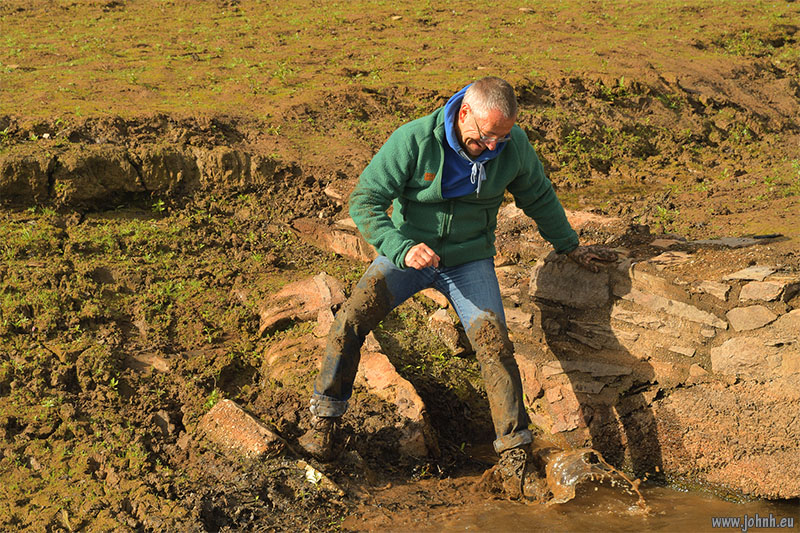
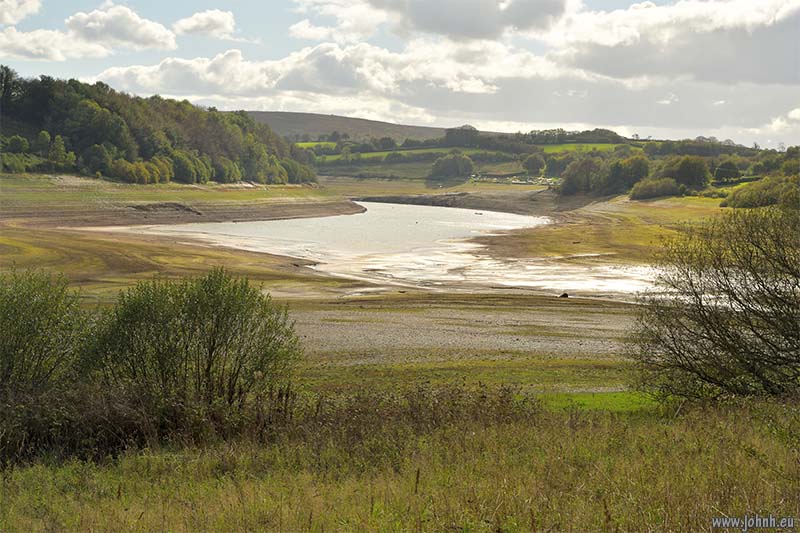
Wimbleball reservoir in Somerset is pretty much empty because of the low rainfall this summer. Features that have been submerged are being exposed by the drought. The reservoir collects run-off from Exmoor and Haddon Hill. This valley was farmland before it was flooded in the 1970s so the features exposed include tree stumps and an old bridge crossing the River Haddon. Really weird to be wandering in this environment, Wimbleball reservoir was completely full at the end of March this year. Many plant species have appeared in the fertile silt that has been exposed. And it’s difficult to believe that the reservoir will be refilled by just the three small rivers that currently look just streams.
Read more: Mud, mud everywhere and not a drop to drink - Wimbleball Lake
Wasdale - Lake District National Park
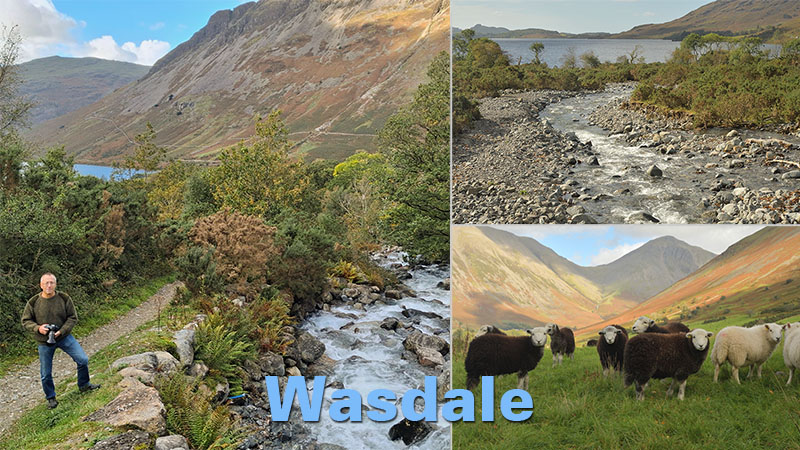
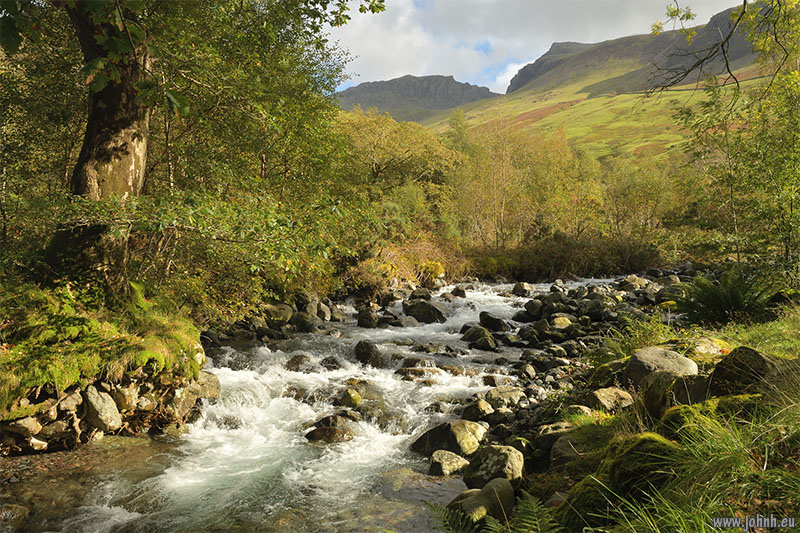
Photoset from a visit to Wasdale in the Western Lake District. Mostly views of the landscape from the tourist path to Sca Fell; we didn’t continue to the summits on this occasion.
Thanks to Samuel for the portrait of the photographer.
Isla String Quartet at Keswick Music Society
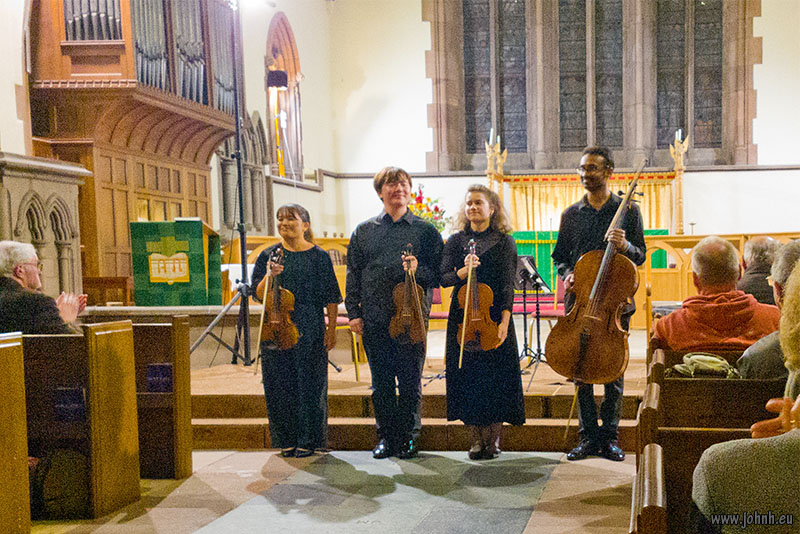
The Bartók quartet was the heart of this programme; written a century ago, it sounds a technical challenge to perform with the wide variety of playing techniques encompassed. The youthful Isla String Quartet gave the Keswick Music Society audience a bright, lively and precise interpretation. Some lovely playing of the solo melodies, especially from the cello. My recent exposure at the festival in La Grave to the music of Olivier Messiaen was good preparation for Béla Bartók’s composition of half a century earlier! Much of this music seemed almost visual, the melodic figures and their counterparts evoking shapes and maybe colours. Then resolving with almost the inevitability of a Bach fugue. An interesting musical experience.
Last cut of 2026 in Keswick?
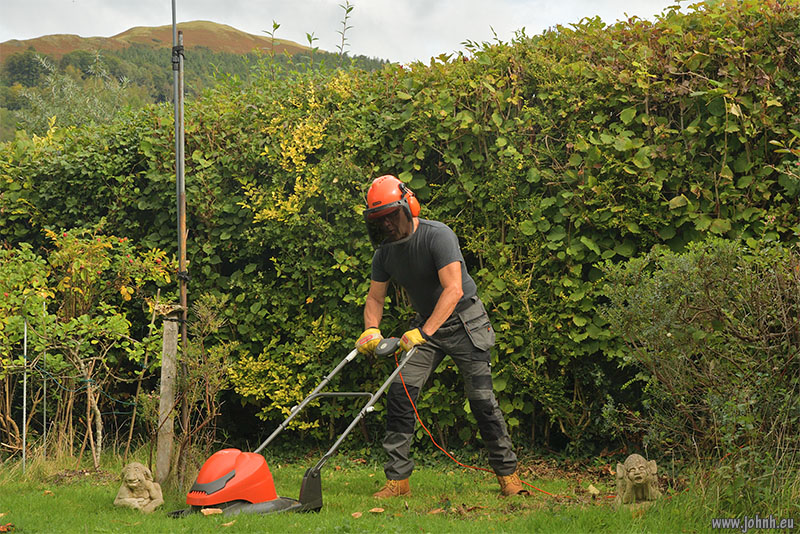
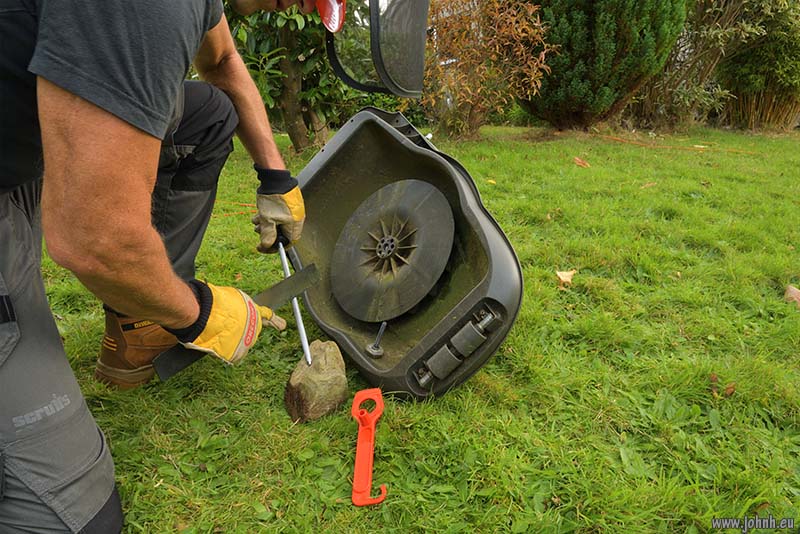
Cumberland council mowers are busy on the grass in the parks, Maybe the last cut of the year for the “meadow” in my Keswick garden. The Flymo is hard work, especially grass on slopes as here; sharpening the blade helps but mowing like this is equivalent to a long session on a rower in the gym, plus a core workout.
Awesome A6 - Shap Fell, Cumbria
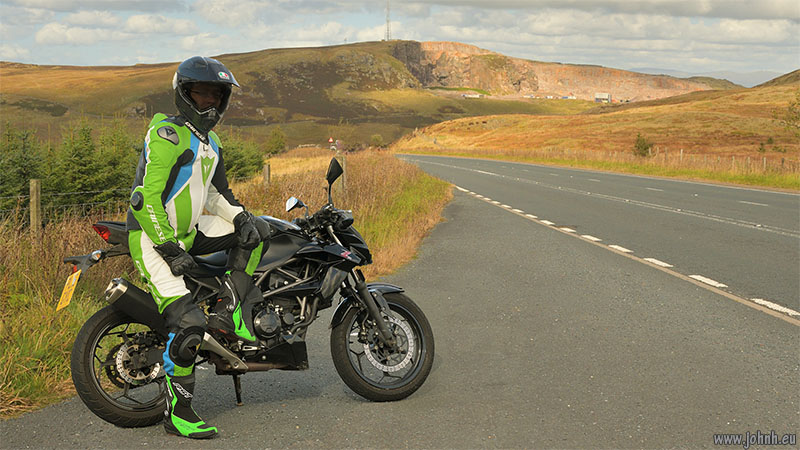
A6, Shap Fell (426 m.)
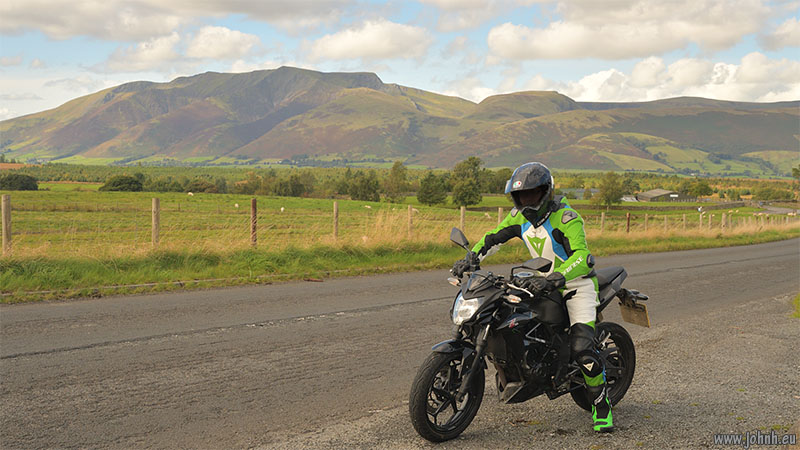
Blencathra/Saddleback (868 m.), Lake District National Park
Riding the awesome A6 over Shap Fell in Cumbria on my Ninja Z250SL. Brilliant biking road, long and sweeping, excellent surface (the A6 is still classified as a trunk road) and relatively sparse traffic which gives five miles or so of fantastic motorbiking. Can be chilly, the road summit is 426 m. altitude, then the road sweeps down to Borrow Bridge at 303 m. and back up again and on to Kendal. A dynamic road for dynamic riding. Worth running a couple of times in each direction. Same sort of feel as the Snaefell Mountain Road on the Isle of Man but easier to get to. Currently one set of road works with traffic lights.
Marcos Mantula V8
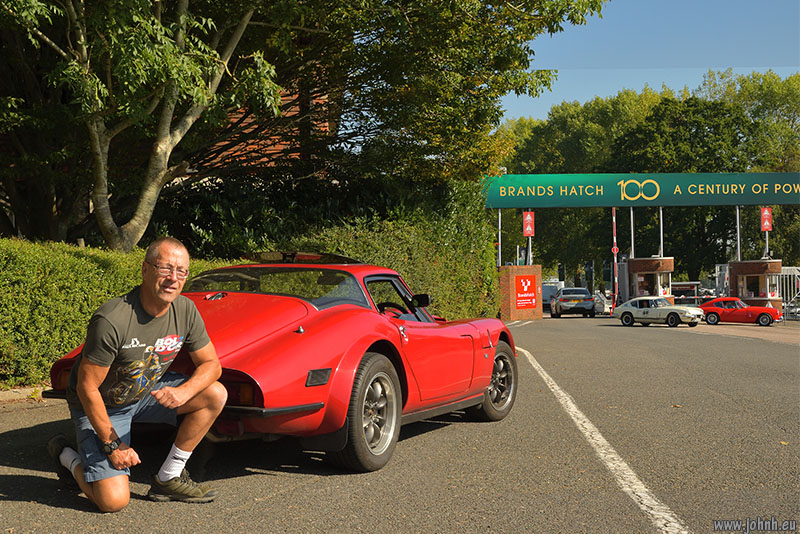
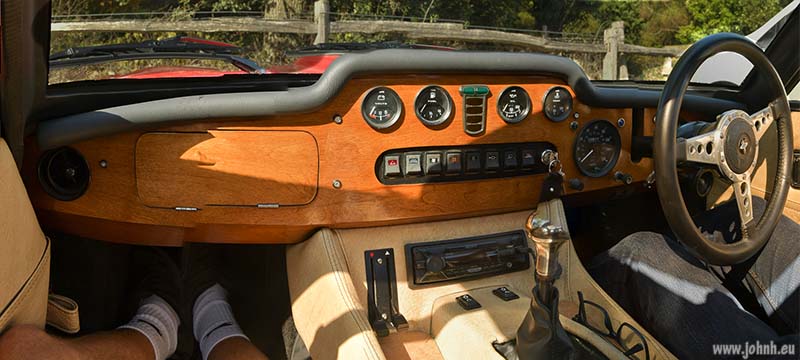
Fun ride out in Brian’s Marcos Mantula, the first time I’ve been in a car with so much performance. He does a lot of work on it with sockets and spanners to keep it running well. A totally different experience to an economy saloon or SUV, the Marcos tootles along happily and smoothly in traffic but the big V8 engine is ready to roar a bit when the opportunity arises. Which was possible a few times in the Kent countryside on a sunny September afternoon, though resulted in noticeable warmth coming through the engine compartment to the legs.
Gigondas AOC 2025 - Domaine de la Machotte
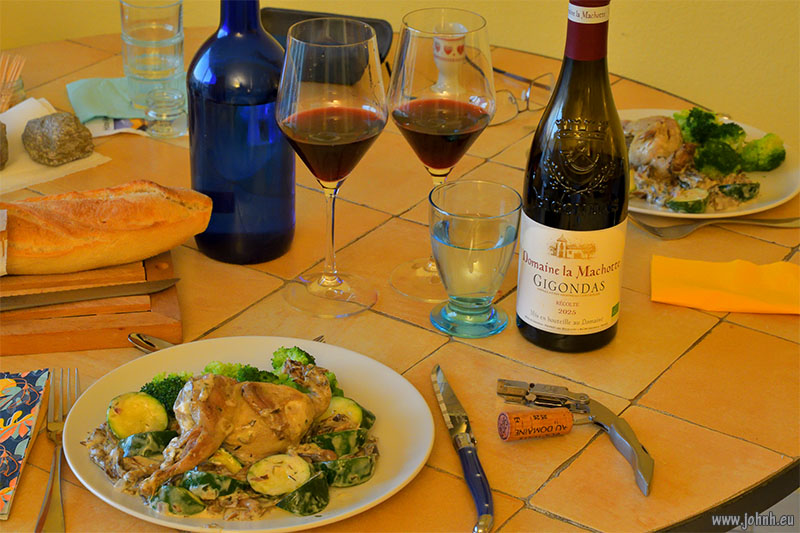
Domaine de la Machotte 2025 - AOC Gigondas
High expectations for our bottle of Gigondas 2025 from the popular Domaine de la Machotte. The domaine’s vines are highish on the hills within the AOC area so benefitting from slightly better drainage and maybe slightly more light, although this medium volume cuvée is not blessed with the grapes seen as the best of the domaine. It’s a Grenache, Syrah, Mouvèdre assemblage.
The bottle is embossed with the crest of the Domaine de la Machotte. It was a long cork, which was hardly wet as 2025 is still very young for a wine from the Côtes du Rhone Villages area (CDRV).
Chamonix balcony hike - GR Tour du Mont Blanc
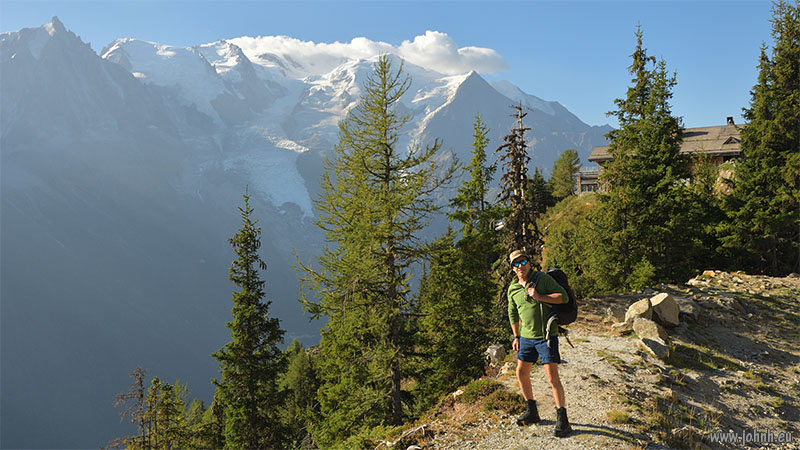
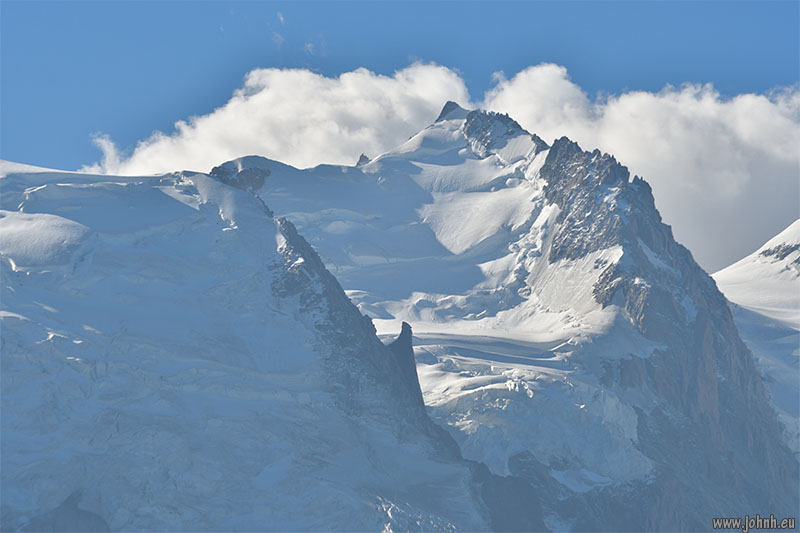
Hiking the balcony route north above the Chamonix valley, facing Mont Blanc. The route varies between about 1950 m. and 2050 m. with noticeable changes in elevation along the way. Starting from the rock desolation of the ski routes around the upper terminal of the Planpraz télécabine, which goes on up to the rocky bergerie of le Brévent (2525 m.). Hiking first on 4WD service roads but then crossing rocky middle mountain terrain. It’s a section of the GR Tour du Mont Blanc but lacks the usual GR trail markers.
Bassenthwaite Lake tour - Lake District National Park
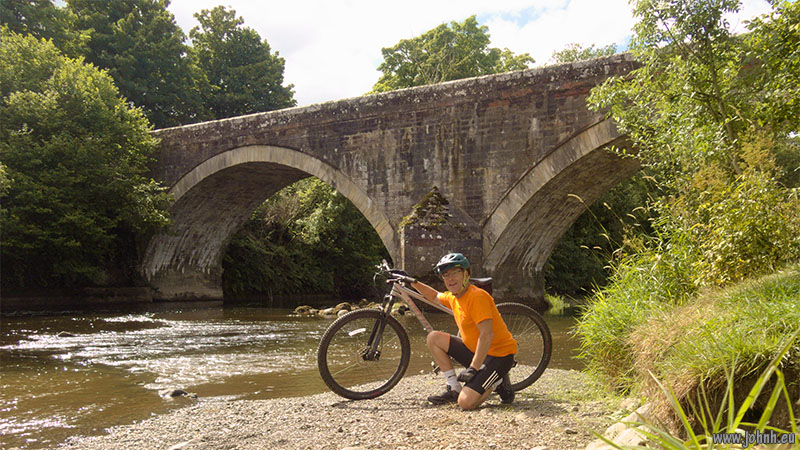
Ouse Bridge, River Derwent
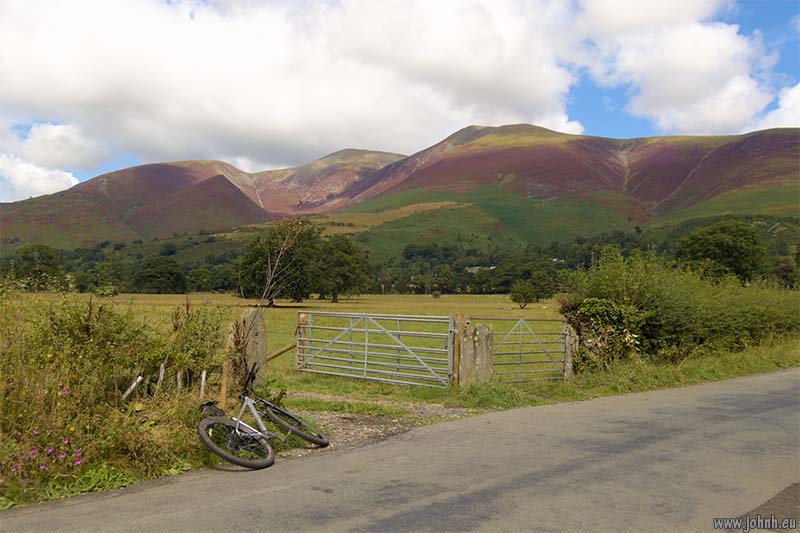
Underskiddaw
Riding a circuit of Bassenthwaite Lake on my Rockhopper mountain bike: Underskiddaw, Dodd Wood, Ouse Bridge, Wythop Wood, Thornthwaite and Braithwaite. No big climbs, mostly quiet roads, bit of gravel path but unfortunately a couple of stretches with fast traffic. Good use of the wide spread of gears on the Expert version of the Rockhopper hardtail bike.
More photos: Bassenthwaite Lake tour - Lake District National Park
