

Travel
I'm lucky enough to travel a lot but I also aim to understand a place in some depth. So I like to find out about the local history, sociology, wildlife and local arts. I prepare for a trip by looking up photos of the famous sights, they're usually a good guide both about the local visual interest and also a warning of what has already been done or over-done.
I try to use the tools of modern photojournalism and photography to communicate how I feel about a place. You’ll see that I have used Portrait, Street, Interior, Historical, Abstract, Landscape, Historical, Wildlife, Phone-camera and Selfie genres at different times for specific effects.

Barolo

The patchwork of vineyards of the Barolo D.O.C. and neighbouring villages in Piemonte, Northern Italy. The soil looks light and sandy and the Nebbiolo vines here yield one of the world’s most highly-prized red wines - and a rather good grappa.
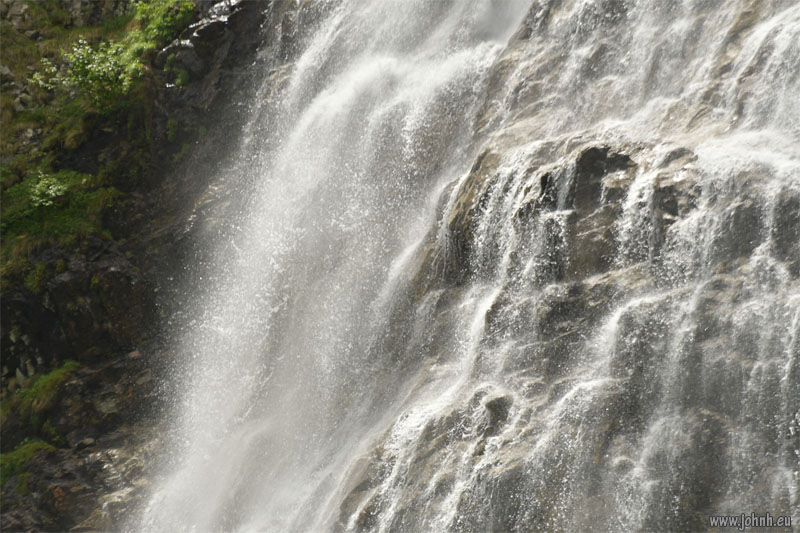

Waterfalls and cascades are one of the oldest subjects for landscape photography. The challenge of recording the drama, grace and power of moving water with just a still frame continues to fascinate... here are a baker's dozen more for the genre from the Valgaudémaur as the melt water from last winter's snow cascades down the sides of the glacial valley to the river La Séveraisse, a tributary to the Drac.
More photos: Waterfalls of the Valgaudémaur, Parc National des Écrins
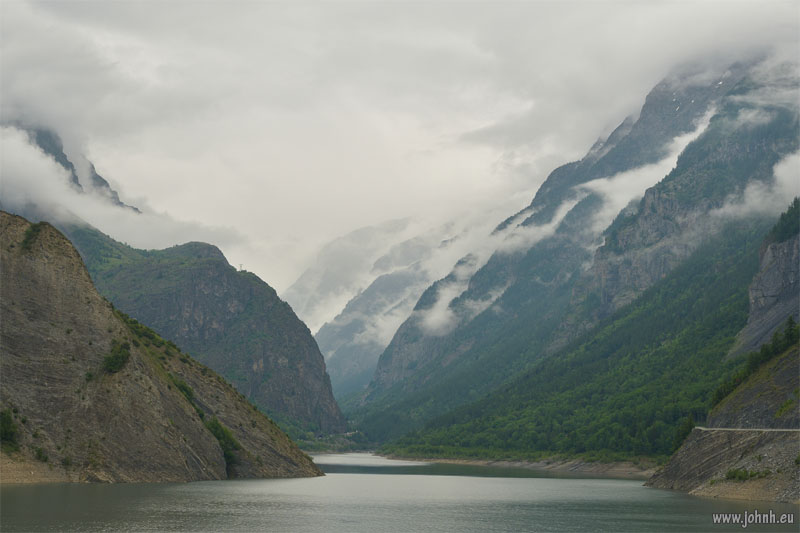
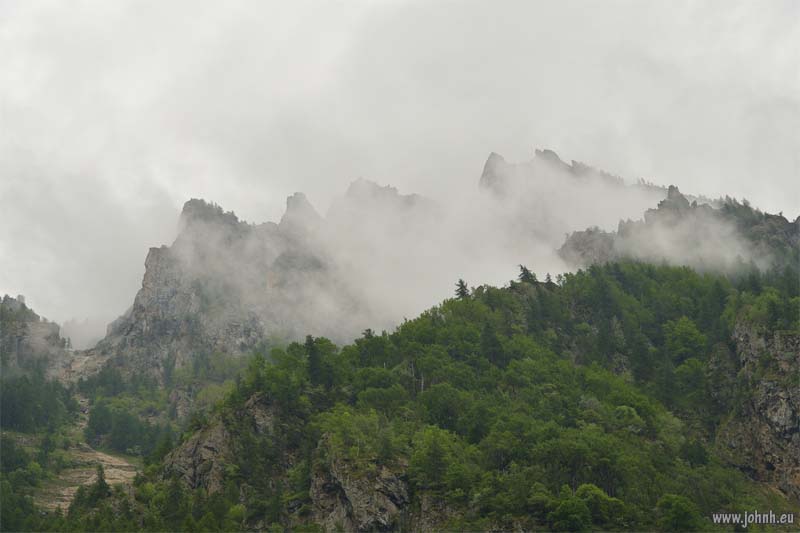
Journey up the valley of the River Romanche to the Col du Lautaret
Mountains in mists, rivers and waterfalls, the road to the Col du Lautaret (2057 m.) was wonderfully clear of traffic so a great drive with the mist revealing and highlighting the dramatic topography. A long way to go for a Tarte Myrtille: but what a Tarte Myrtille!
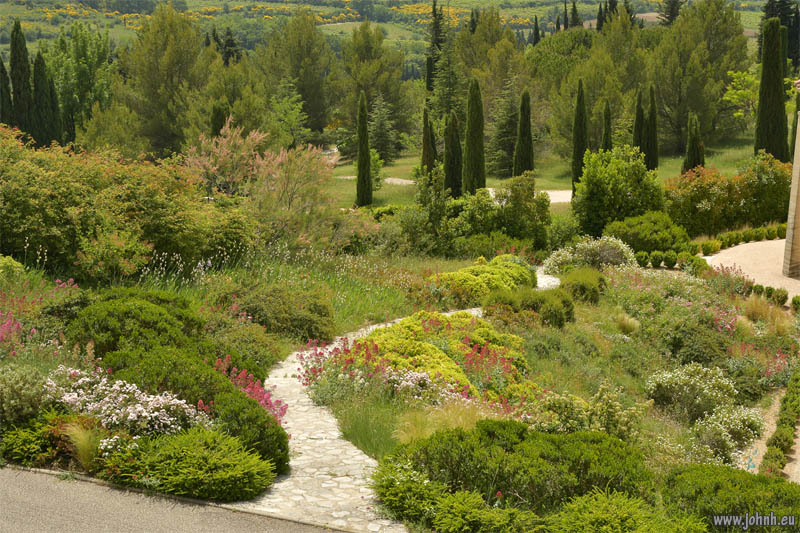
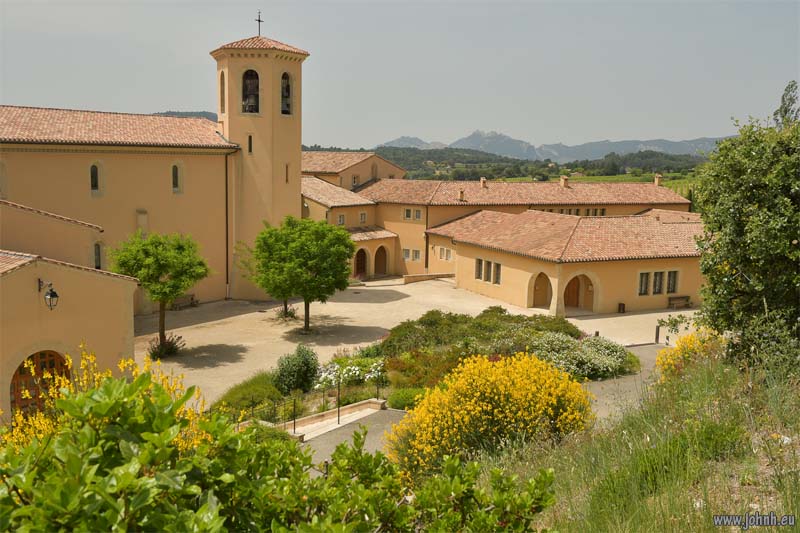
There’s a sense of heightened nature in the mixed planting of the gardens of the Abbaye Sainte-Madeleine du Barroux in Provence. Similar plants are abundant in this area and are thriving in this ornamental garden in the full Provence sun on a hillside between Mont Ventoux and Les Dentelles de Montmirail. The air temperature was about 34°C when we took our picnic lunch in shade nearby.
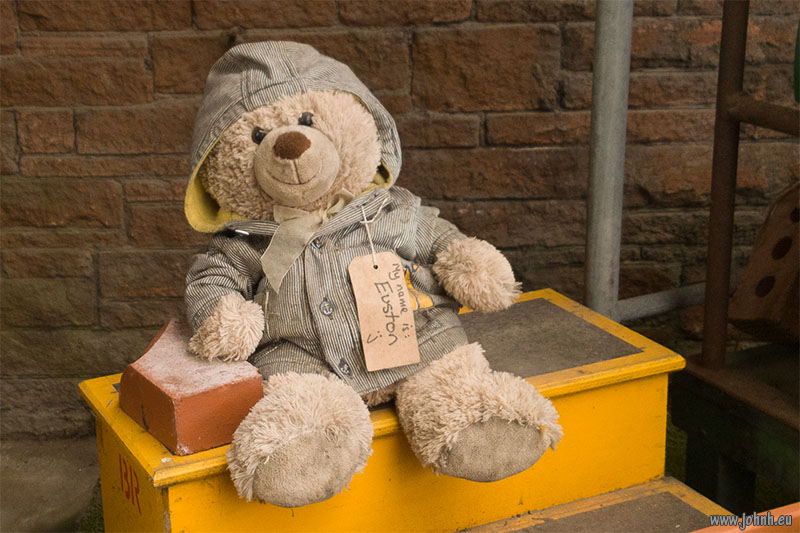
Euston Bear, seen at Penrith North Lakes railway station Platform 1. Somehow he doesn’t have the same potential for star quality as his peer from Western Region’s Paddington station. Maybe less potential for mayhem and I can’t see marmalade dripping from his hoodie. I passed along the platform and stepped on the Big Train going south without him.
